How Long Does Screed Really Take to Dry? (And How to Speed It Up Safely)
“How long does screed take to dry?” is one of the most frequently asked questions on construction projects, and for good reason. Screed drying time has a direct impact on programme dates, follow-on trades, and ultimately the success of the finished floor. Yet it’s also one of the most misunderstood stages of a build.
The reality is that screed does not dry at a fixed rate, and relying on assumptions or surface appearance alone often leads to delays or, worse, long-term floor failures.
How long does screed take to dry naturally?
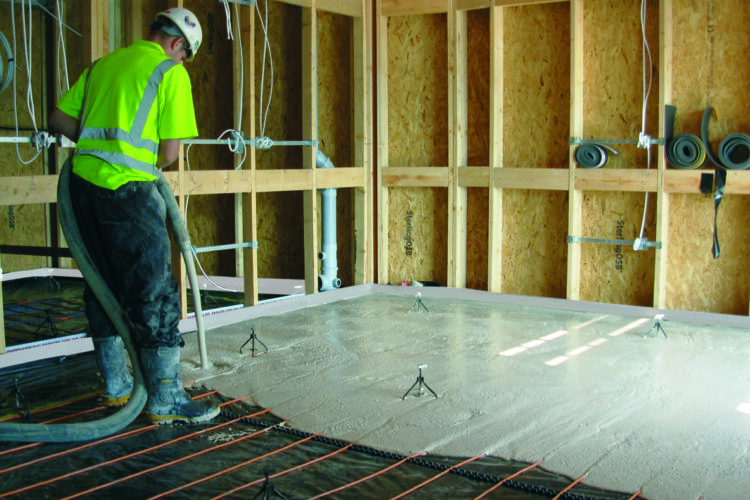
Under ideal conditions, traditional sand and cement screed dries at roughly one millimetre per day up to a depth of around forty millimetres. Beyond this, the drying process slows significantly. In real world site conditions, this means a typical 50mm screed can take two months or more to dry naturally, while thicker screeds may take several months before they are ready to receive floor finishes.
Fast-drying or accelerated screeds can reduce this timeframe, with some manufacturers stating floor coverings can be laid within seven to twenty-one days. However, these drying times assume stable temperatures, controlled humidity and correct commissioning. Without the right environment, even fast-drying screeds can stall and fail to reach the required moisture levels within the expected timeframe.
Why screed drying often takes longer than expected
Screed drying is not just about time passing, it is about moisture being able to escape. On many sites, moisture becomes trapped due to cold temperatures, high relative humidity, limited air movement or incorrect use of heating systems. In winter months, especially, screed can appear dry on the surface while still holding excessive moisture beneath.
This is where many projects run into trouble. Floor finishes are installed based on programme pressure rather than verified moisture readings, leading to adhesive breakdown, blistering, debonding or floor failure weeks or months later.
Can you speed up screed drying?
Yes, screed drying can be accelerated, but it must be done safely and in a controlled way. Attempting to rush the process by opening windows, blasting heaters or incorrectly commissioning underfloor heating often does more harm than good. These methods can cause rapid surface drying while moisture remains locked deeper in the screed, increasing the risk of cracking and long-term failure.
The safest and most effective way to speed up screed drying is through controlled forced drying. This approach focuses on actively removing moisture from the environment rather than simply hoping it will evaporate on its own.
How ForceDry speeds up screed drying safely
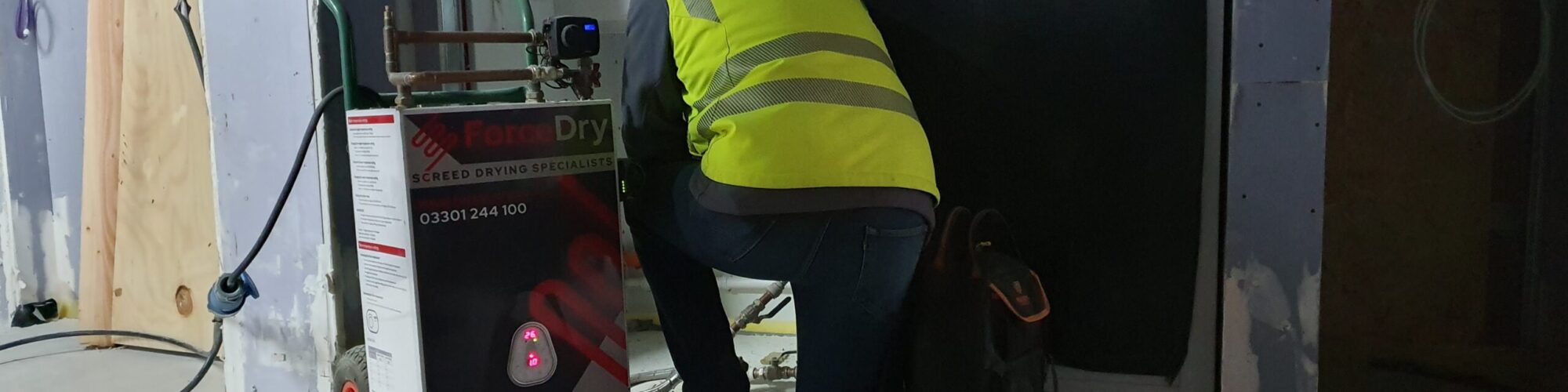
ForceDrying works by creating the correct balance of temperature, airflow and humidity. By maintaining consistent warmth and using professional dehumidification, moisture is drawn out of the screed evenly and efficiently. Air movement ensures that moisture-laden air does not sit above the surface, while controlled heating allows the drying process to continue even on cold or live construction sites.
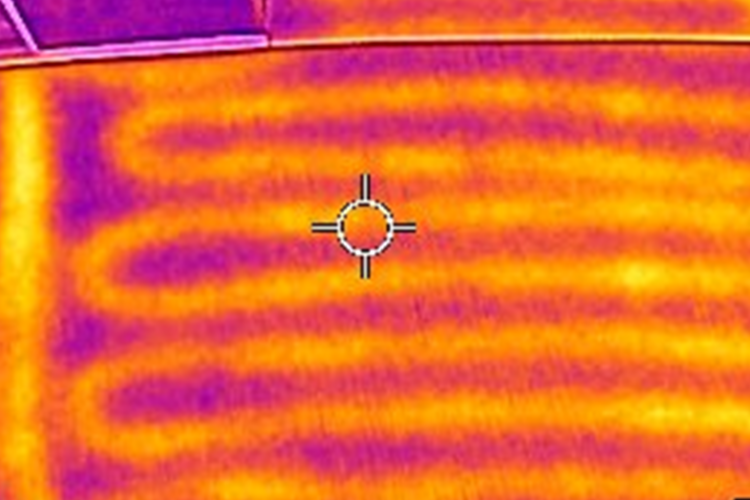
When underfloor heating is present, correct commissioning plays a vital role. Gradual temperature increases, carried out in line with best practice and manufacturer guidance, help drive moisture out of the screed without damaging its structure. When done properly, this can significantly reduce drying times while protecting the integrity of the floor.
Why monitoring matters as much as drying
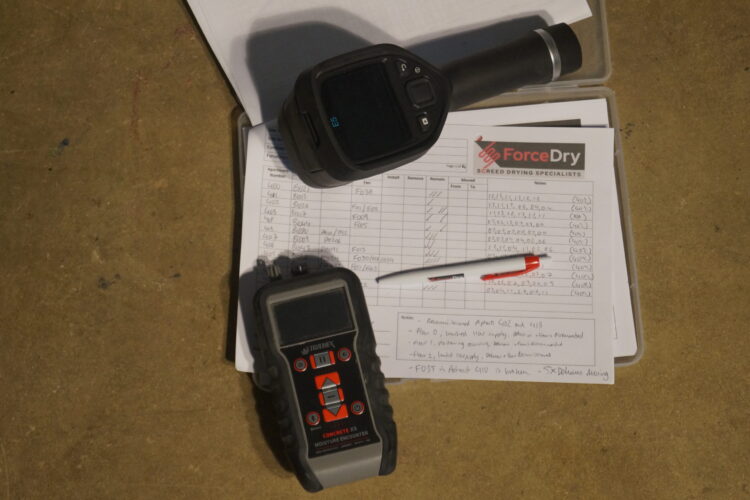
One of the biggest mistakes on construction sites is relying on visual dryness. Screed can look dry long before it is actually ready to receive floor coverings. Professional moisture testing provides accurate readings and ensures compliance with British Standards, giving confidence that the screed has reached safe moisture levels.
Without testing, speeding up screed drying becomes guesswork, and guesswork has no place in quality floor installations.
How much time can ForceDry save?
When designed and managed correctly, Forcedrying can reduce screed drying times from months to weeks and in most cases just 21 days. Projects that would normally be held back waiting for natural drying can progress far earlier, allowing floor finishes to be installed sooner and follow-on trades to remain on programme.
The benefit is not just speed, but certainty. A structured drying plan removes unpredictability and helps protect both the screed and the finished floor.
Contact ForceDry
If you’re looking to reduce drying times, protect your programme, and deliver projects with confidence, ForceDry is here to help. Get in touch with our team today to discuss your project and discover how we can support you from start to finish.
Contact the team today;


Related Blog Posts