Is Forced Screed Drying Worth the Investment?
Is forced screed drying worth the investment?
When it comes to construction timelines, few things cause more frustration than waiting for screed to dry. Delays at this stage can push back flooring installation, disrupt follow-on trades, and quickly increase overall project costs. This raises a key question for contractors and developers:
Is forced screed drying worth the investment?
To answer that properly, it’s important to look at the real screed drying cost, the screed drying price per m², and whether paying to dry screed faster actually delivers a measurable return.
What Is Forced Screed Drying?
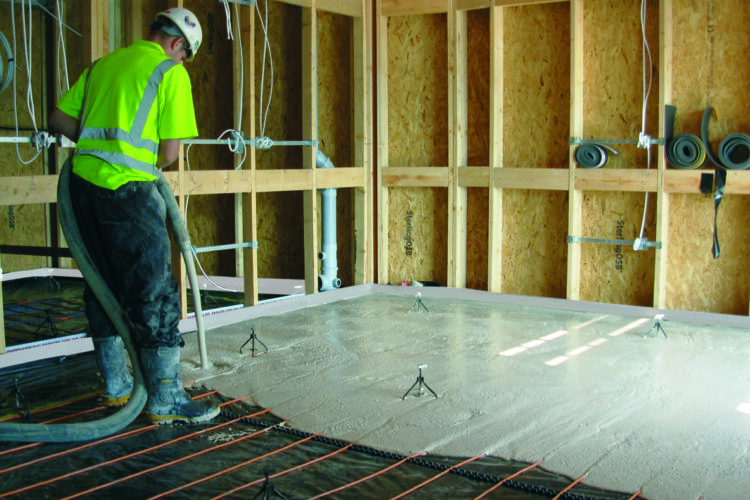
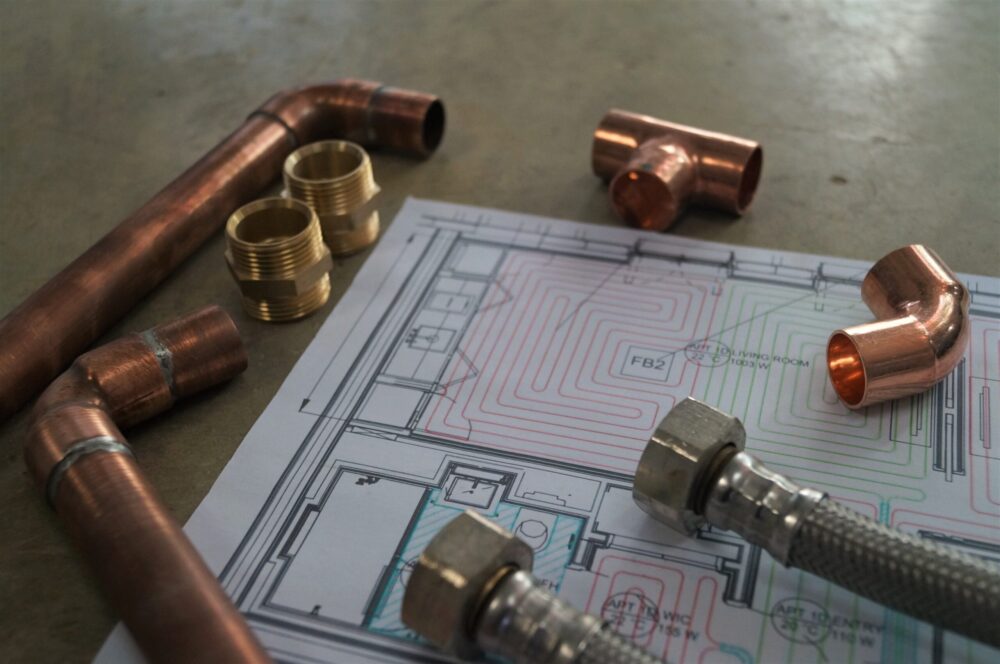
Forced screed drying is a controlled process that uses heat, airflow, and humidity management, often through underfloor heating systems, temporary boilers, and screed commissioning to accelerate drying.
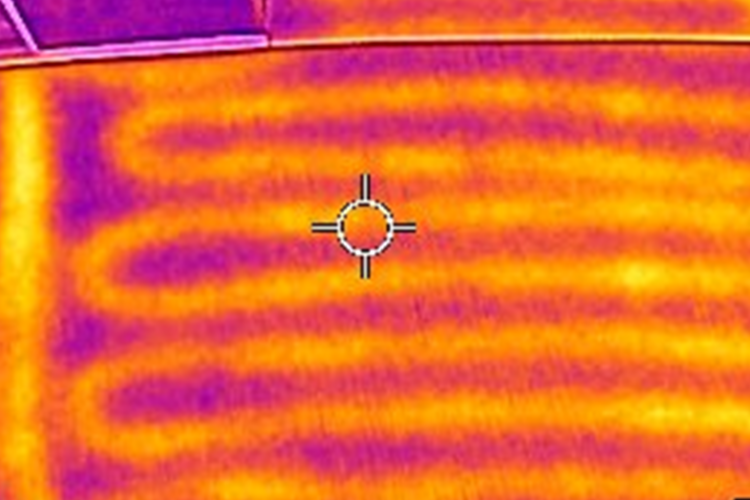
Screed commissioning is a key part of this process. It involves gradually introducing heat into the screed via the underfloor heating system in a controlled cycle. This helps remove moisture safely, reduces the risk of thermal shock or cracking, and ensures the screed dries evenly across the full floor area.
This process is also carried out in line with relevant British Standards. Following these standards ensures the screed is properly prepared before floor finishes are installed and helps reduce the risk of failure later in the build.
Instead of relying on unpredictable ambient conditions, forced drying combined with commissioning creates a consistent, measurable environment that delivers faster and more reliable results.
Screed Drying Cost: What Are You Really Paying For?
The screed drying cost can vary depending on the size of the floor area, the depth and type of screed, and the overall site conditions. Programme urgency also plays a major role, as tighter deadlines often require more intensive drying solutions.
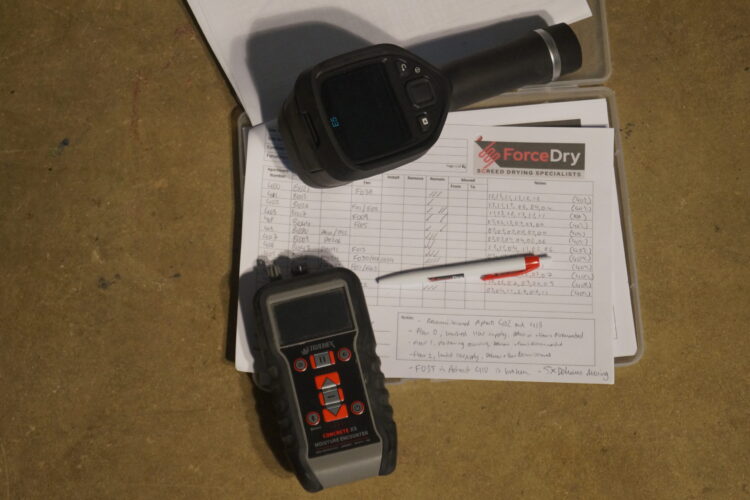
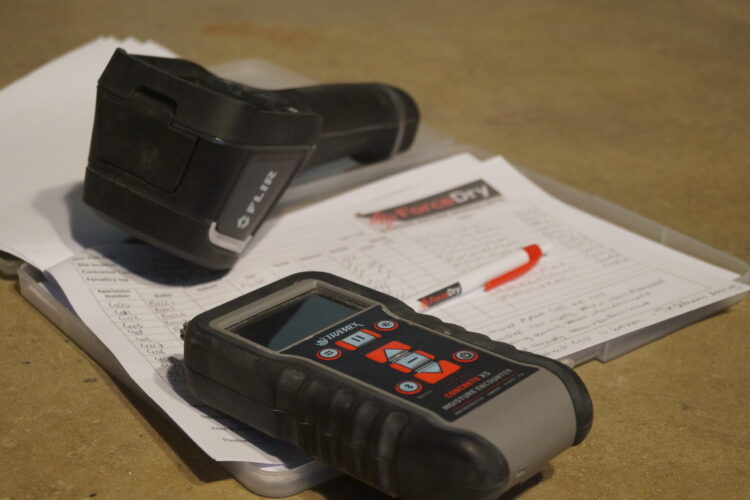
In most cases, the cost includes equipment hire such as boilers , dehumidifiers and fans, along with power usage, installation, and moisture testing with reporting. While this may appear as an added expense, it’s crucial to compare it against the cost of doing nothing.
Waiting for screed to dry naturally can lead to labour downtime, missed deadlines, rebooking of trades, and extended site overheads. These hidden costs often exceed the initial investment in forced drying. Trades may need to be rebooked, and in some cases, penalties for late completion can apply. When these factors are considered, the cost of forced drying becomes far more justifiable.
Screed Drying Price Per m²
The screed drying price per m² can differ depending on a variety of metrics.
Rather than focusing only on the price per m², it’s more effective to consider the cost per day saved on the overall programme. If commissioning and forced drying together reduce the timeline by several weeks, the savings across labour, logistics, and site management can be substantial.
The Cost to Dry Screed Faster vs the Cost of Waiting

This is where the true value of forced screed drying becomes clear. Projects that rely on natural drying are heavily influenced by weather and site conditions, often resulting in inconsistent moisture levels and increased risk of floor failure if coverings are installed too early. Delays are also far more likely.
In contrast, forced drying provides predictable timelines, controlled temperature and humidity, and verified moisture levels through testing. This creates a reliable environment that allows follow-on trades to start sooner and with greater confidence.
In many cases, the cost to dry screed faster is significantly lower than the cost of a delayed project.
When Is Forced Screed Drying Worth It?
Forced screed drying is particularly valuable on projects with tight deadlines or where multiple trades depend on the floor being ready. It becomes even more important during colder or wetter months, when natural drying is slow and unreliable.
It is also essential where guaranteed moisture levels are required before installing floor finishes, or where delays could result in financial penalties. In these situations, combining forced drying with proper screed commissioning provides both speed and assurance.
The ROI of Screed Drying: Time, Certainty and Quality
The return on investment from forced screed drying comes down to three key factors: time, certainty, and quality.
By incorporating screed commissioning into the process, you ensure the drying is not only faster but also controlled and consistent. This reduces the risk of defects and provides measurable results that can be verified through testing.
Ultimately, the screed drying cost becomes a strategic investment that protects both the programme and the final floor finish.
Final Thoughts ... Is Forced Screed Drying Worth It?
For most construction projects especially those working to strict timelines, the answer is yes.
While the screed drying price per m² may appear higher upfront, it is often outweighed by faster completion, reduced programme risk, and lower overall project costs. When combined with proper screed commissioning and compliance with British Standards, forced drying provides a reliable, standards-aligned solution that keeps projects on track.
If delays are not an option, investing in a structured drying and commissioning strategy is not just worthwhile it is essential.
Need Help Calculating Your Screed Drying Cost?
Every project is different, and understanding your exact cost to dry screed faster starts with a tailored assessment.
By planning early and incorporating both forced drying and screed commissioning into your programme, you can save weeks on your schedule and avoid costly issues later on.
Contact the team today;
Related Blog Posts