Failed a Moisture Test? Here’s Your Next Step
Here's the next step...
A failed moisture test can be one of the most frustrating setbacks on any construction project. Whether you’re working to tight programme deadlines or coordinating multiple trades, excess moisture in screeds can bring progress to a halt.
The good news is that a failed test doesn’t have to mean long delays if you respond with the right drying strategy.
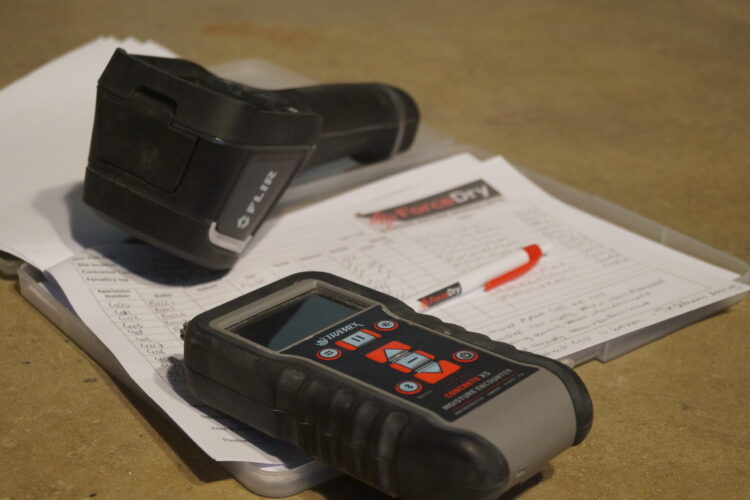
In modern construction, moisture testing is a critical step before floor coverings can be installed. Typically carried out using relative humidity (RH) probes or calcium carbide tests, these checks ensure the substrate is dry enough to prevent issues such as adhesive failure, floor bubbling, mould growth, or long-term structural damage. However, even when a screed appears dry on the surface, internal moisture levels can remain too high to pass compliance standards.
So what happens when you fail a moisture test?
The first step is to avoid rushing into remedial works that don’t address the root cause. Simply increasing general site heating or ventilation is rarely enough to bring moisture levels down in a controlled and predictable timeframe. Natural drying rates for traditional cementitious screeds can be slow often around 1mm per day for the first 40mm, and significantly slower beyond that. On larger pours, this can result in weeks or even months of delay.
This is where a structured, engineered drying solution becomes essential.
Accelerating the process...
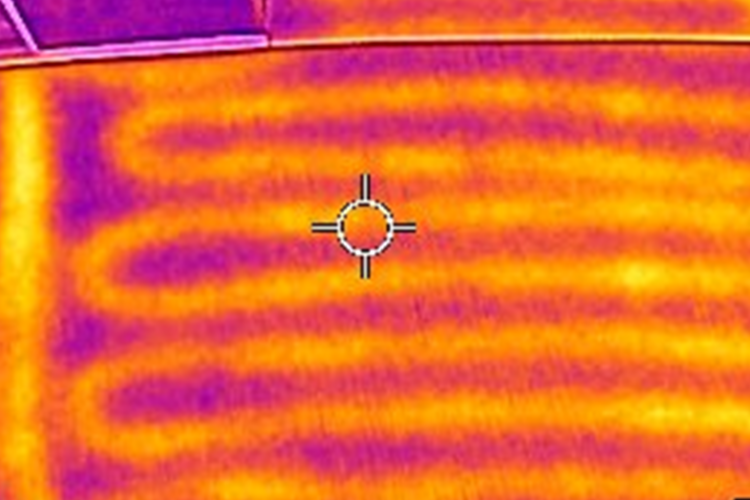
At ForceDry, we specialise in accelerating the drying process in a controlled and measurable way. Rather than waiting for ambient conditions to do the work, our systems actively manage temperature, humidity, and airflow to bring internal moisture levels down efficiently. This approach not only reduces drying time but also improves predictability helping you recover lost programme time and avoid costly overruns.
If your project has failed a moisture test, the next step is to carry out a full assessment of the screed, including thickness, material type, environmental conditions, and current RH readings. From there, a targeted drying plan can be implemented to ensure the moisture is removed evenly and safely, without damaging the substrate or compromising future floor finishes.
The key is control
Rapid, unmanaged drying can lead to cracking, curling, or surface defects, which can create even more delays. ForceDry systems are designed to balance speed with protection, ensuring the structure remains sound while moisture is safely reduced to acceptable levels.
A failed moisture test isn’t the end of your programme it’s a signal that a more effective drying strategy is required.
If you’re facing delays due to high moisture readings, ForceDry can help you regain control of your timeline and move the project forward with confidence.
Contact ForceDry
ForceDry is here to help. Get in touch with our team today to discuss your project and discover how we can support you from start to finish.
Contact the team today;


Related Blog Posts