
How to Avoid Costly Delays Caused by Wet Screeds
Delays on construction projects are expensive, frustrating, and often avoidable. One of the most common causes of disruption is wet screeds that haven’t dried within expected timeframes. Despite careful planning, many contractors still find themselves facing unexpected hold-ups due to moisture issues.
Understanding why these delays happen and how to prevent them can help keep your project on track and protect your bottom line.
Why Wet Screeds Cause Delays
Screed drying is a critical stage in any construction programme. Until the screed reaches the correct moisture levels, follow-on trades such as flooring installers cannot begin work. This creates a dependency that can quickly impact the entire project timeline.
The issue is that drying times are often underestimated. While guidelines suggest a certain drying rate, real-world conditions rarely match ideal scenarios. Temperature fluctuations, high humidity, and poor ventilation can all slow the process significantly.
As a result, what was planned as a straightforward timeline can quickly turn into weeks of unexpected delay.
The Risk of Failed Moisture Tests
One of the most common consequences of wet screeds is failing a moisture test. Before floor finishes can be installed, screeds must meet specific relative humidity (RH) requirements. If these levels are not achieved, work cannot proceed.
A failed moisture test doesn’t just cause a delay it can disrupt scheduling, increase costs, and create tension between contractors and clients. In some cases, materials and labour may need to be rescheduled, adding further complications.
Common Causes of Wet Screeds
There are several reasons why screeds fail to dry as expected. Poor site conditions are a major factor. Limited airflow, lack of heating, and high ambient humidity all contribute to slower drying rates.
Weather also plays a significant role, particularly in the UK. Cold temperatures and damp conditions can dramatically extend drying times, especially during autumn and winter months where sites are not protected from the elements.
Another common issue is relying solely on natural drying. Without any form of intervention, contractors are at the mercy of environmental conditions, which are often unpredictable.
How to Avoid Delays
The most effective way to avoid delays caused by wet screeds is to take a proactive approach. Rather than relying on natural drying, implementing a controlled drying solution can make a significant difference.
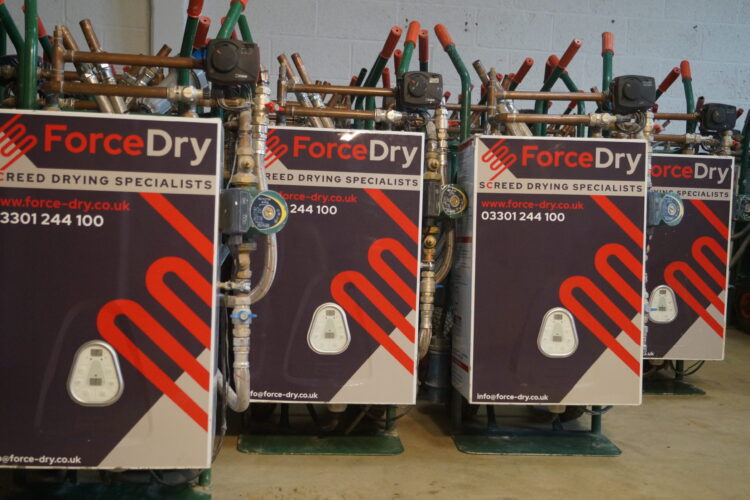
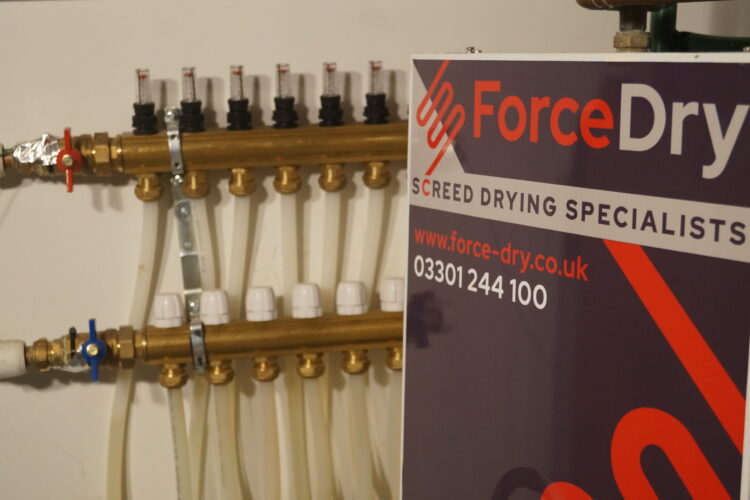
Force drying systems are designed to accelerate moisture removal and create consistent drying conditions. By combining heat, airflow, and dehumidification, these systems can reduce drying times dramatically.
This not only helps ensure that screeds reach the required moisture levels but also provides greater certainty when planning project timelines.
The Importance of Early Planning
One of the biggest mistakes contractors make is leaving drying solutions too late. By the time delays become apparent, valuable time has already been lost.
Incorporating drying strategies into the project plan from the outset allows for better coordination and more accurate scheduling. It also reduces the risk of last-minute issues that can disrupt progress.
Early planning ensures that the right equipment is available when needed, helping to keep the project moving smoothly.
Reducing Risk and Improving Efficiency
Avoiding delays isn’t just about saving time it’s also about reducing risk. Wet screeds can lead to long-term issues if not properly managed, including flooring failures and costly remedial work.
By ensuring that screeds are fully dry before proceeding, contractors can protect the quality of the finished project while avoiding unnecessary expenses.
At the same time, faster drying improves overall efficiency. Projects can move from one stage to the next without unnecessary downtime, keeping labour and resources fully utilised.
A Smarter Way to Stay on Programme
Wet screeds don’t have to derail your project. With the right approach, it’s possible to maintain control, avoid delays, and keep your programme on track.
Force drying provides a reliable and efficient solution for managing moisture and accelerating drying times. By creating controlled conditions, it removes the uncertainty associated with traditional methods and allows contractors to plan with confidence.
In an industry where time is money, taking control of screed drying is one of the simplest ways to improve project performance.
Need to avoid costly delays on your next project? Speak to ForceDry today and get the right drying solution delivered to your site.
Contact the team today;



Related Blog Posts