How to Choose a Screed Drying Contractor (7 Questions to Ask)
Screed drying looks like a simple job from the outside get some heat and airflow on site, wait, test, move on. In practice, it’s one of the easier stages of a build to get wrong, and one of the most expensive to get wrong late.
The problem is that “screed drying” covers a wide range of service, from a contractor who drops off a couple of dehumidifiers and leaves, to a specialist who manages the drying programme, helps you commission the underfloor heating, and can provide you test results a warranty provider will actually accept.
If you’re choosing a screed drying contractor for the first time or switching after a bad experience here are seven questions worth asking before you sign anything.
1. Are you drying the screed, or just dehumidifying the room?
These aren’t the same thing, and it’s the single most common source of confusion on site. General dehumidification reduces ambient humidity, but it doesn’t necessarily drive moisture out of the screed itself at a controlled, even rate you can end up with a room that feels dry while the slab underneath is still holding moisture well above the level floor coverings need. Ask specifically how the contractor manages moisture movement through the depth of the screed, not just the air in the room, and ask them to explain it in terms you could repeat back to your client.
2. How do you test, and to what standard?
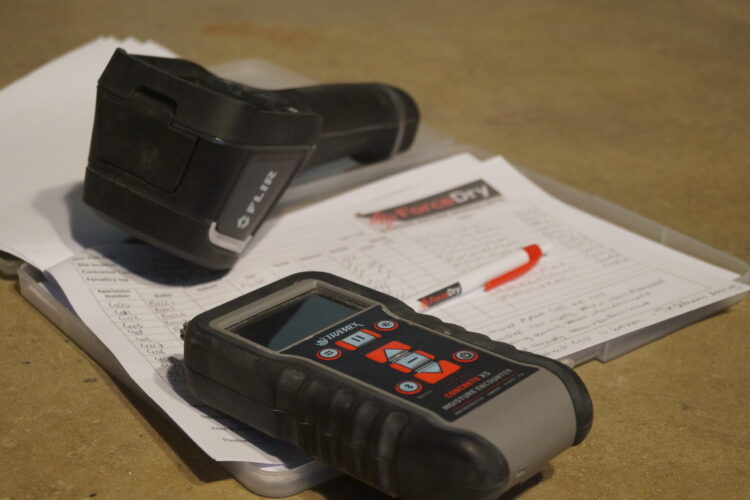
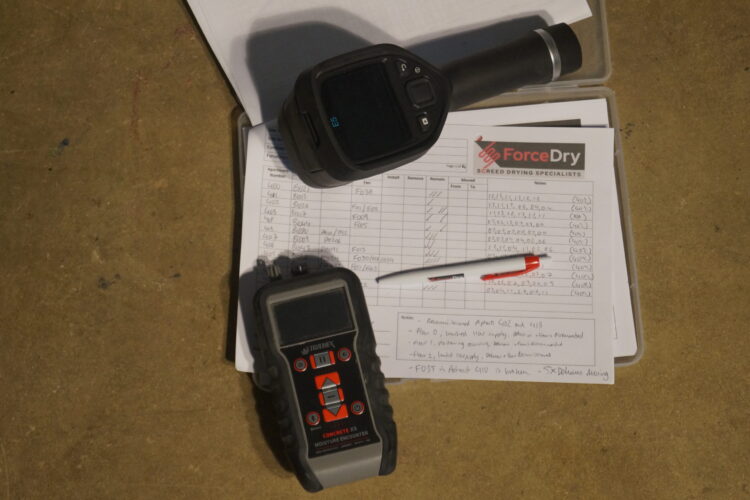
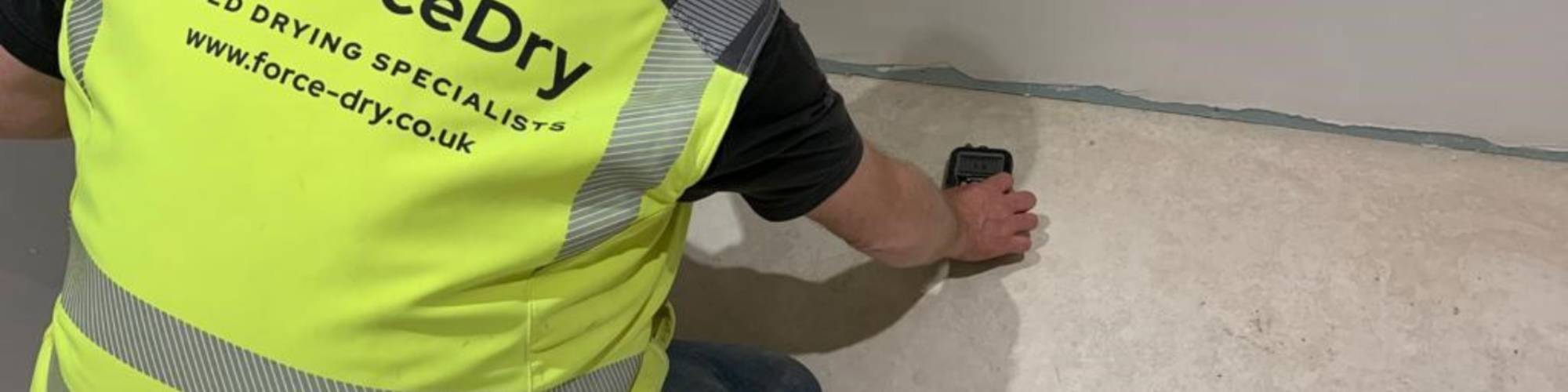
A reputable contractor should test to BS8204-7 as standard, using calibrated hygrometers at the correct depth and location, not a quick surface check with a handheld meter. Ask to see a sample test report before you commit. It's a good filter question: a contractor who takes testing seriously will have a clean, dated, traceable report ready to show you; one who doesn't will get vague.
3. What happens if the screed fails its first test?
It happens, on well-run projects as much as poorly-run ones. What matters is what the contractor does next. Do they have a clear remedial process and a plan for re-testing?
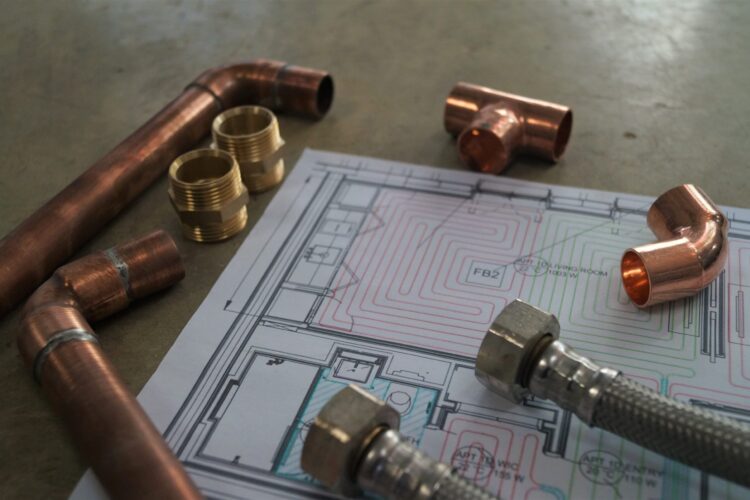
4. Do you commission underfloor heating, or only dry the screed?
Drying and commissioning are two different jobs, and skipping commissioning is one of the most common — and costly — mistakes on UFH projects, sometimes not showing up until months after handover in the form of cracked screed or an underperforming heating system. If your contractor only offers drying, you’ll need someone else to commission the system properly before floor coverings go down, and you’ll need to coordinate the handover between the two. It’s usually simpler, faster, and lower-risk to find one contractor who does both under a single scope.
5. Can you work to our programme, not just your own?
Screed drying sits on the critical path more often than people expect, and getting it right can genuinely claw back programme time rather than just avoid losing it. A good contractor should be able to talk fluently about your programme dates, follow-on trades, and where the drying window sits not just their own scheduling. If they can’t tell you how their work interacts with the trades either side of them, that’s a gap worth probing.
6. What's your experience with our sector?
On a lot of projects, screed commissioning falls into a grey area between trades nobody’s quite sure whose job it is to sign it off. Ask the contractor to be explicit about what they own, what they don’t, and what documentation you’ll receive at the end: test certificates, commissioning records, anything a warranty provider, building control, or client might ask for later. If the answer is vague, that ambiguity will resurface later, usually at the worst possible time.
The right screed drying contractor should be able to answer all seven of these clearly and without hesitation. If you’re getting vague answers, or the conversation only ever comes back to price, that’s usually a sign the service on offer is more basic than your project needs and it’s rarely the cheapest option that ends up costing the least.
If you’d like a straight answer to all seven for your own project, get in touch with the ForceDry team we’re happy to talk through your programme.


Related Blog Posts